Blog

All Blog Injections Microneedling Nonsurgical bbl Weight Loss After Care Hip Dip Sculptra®
How Long Do the Results of Morpheus8 Skin Tightening Last?

How Long Do the Results of Morpheus8 Skin Tightening Last?

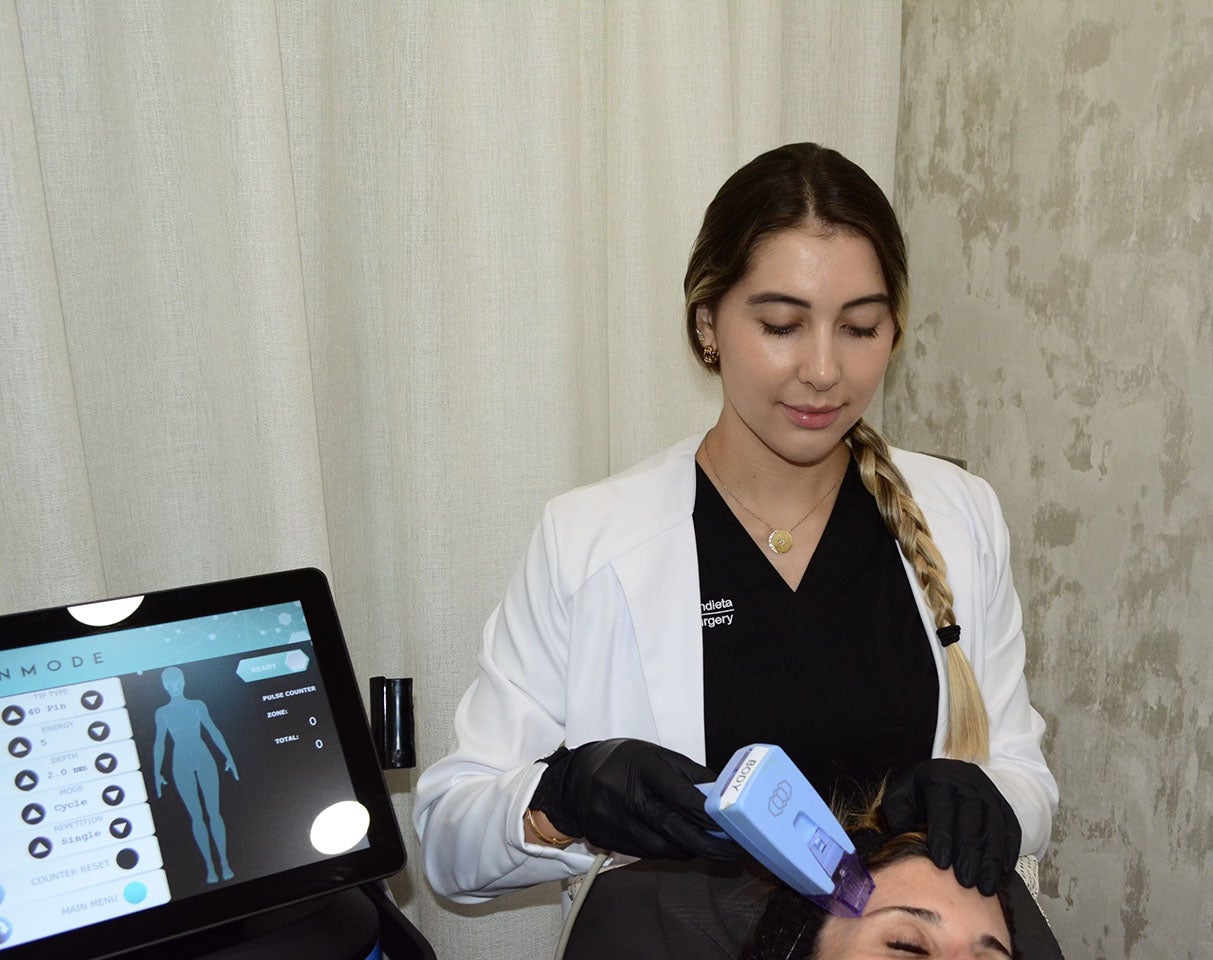
Skin tightening results without surgery are difficult to achieve, but Morpheus8 treatments can deliver them. This blog discusses how long Morpheus8 results last, the treatment's benefits, when patients can expect results, and how to maintain them. What Is Morpheus8? Collagen is the body’s natural health and beauty superpower. It provides the structure for skin, bones, and ligaments, but production slows with age. Youthful, bouncy, smooth skin is likely supported by collagen, so when you start to see sagging, fine lines and wrinkles, and a loss of elasticity, you’re likely seeing the decline of the protein. Morpheus8 is a non-surgical, minimally invasive device that’s taken the beauty world by storm, with A-list celebrities attributing their ageless appearances to its powers. Because Morpheus8 does something really well: it boosts collagen production. That’s how this in-office treatment can essentially remodel an aging face without surgery, lifting sagging skin, smoothing fine lines and wrinkles, and even contouring a shapeless jawline. These results can last a patient anywhere from 12 to 18 months, with some patients even reporting 1 to 3 years with a good skincare routine and healthy lifestyle—a staggeringly long time for not even going under the knife. How does Morpheus8 work, and why is it so impactful? We’ll break down the details below. The Power of Collagen Production Morpheus8 offers the following benefits: Improved skin texture, eliminating acne scars, etc. Reduced fine lines and wrinkles Tightened loose skin Contoured cheeks, neck, and jawline Improved skin tone Minimized pores Brighter skin That’s quite a list, a combination of skin health improvements and structural reshaping. The device achieves this through its dual modalities: radiofrequency (RF) energy and microneedling. Microneedling Process and Benefits You’ve likely heard of microneedling, but Morpheus8 takes it to the next level. During traditional microneedling, tiny, surgical-grade needles are inserted into the skin’s surface, usually via some device or handpiece that features hundreds of them for ease of use. These needles poke holes in the skin, or “microchannels” that prompt the body’s healing response (you are creating tiny injuries, after all). This healing response is collagen! The skin sends signals that prompt collagen to rush to heal these tiny injuries, and you receive all the skin-healing benefits. The microneedling process offers several benefits: collagen helps heal acne scars and other textural irregularities, and it also improves the appearance of surface-level fine lines and wrinkles, making your skin look and feel more youthful and plump. The microneedling process itself can help exfoliate dead skin for a more glowy look, as well as reduce the appearance of pores. Lastly, these tiny channels in the skin act as open pathways for skincare to penetrate deeper, enhancing those effects. The Morpheus8 device features longer needles than the average microneedling device, allowing it to penetrate deeper and induce the benefits of the RF features. Radiofrequency Remodeling Process and Benefits As the Morpheus8 device’s needles penetrate deeper into the skin, intense RF energy is passed through the needles to reach the deep tissues underneath. This is the device's remodeling component, which sets it apart from other microneedling services. Skin tightening and tissue remodeling are nearly impossible to achieve without surgery—except with Morpheus8, of course. Deep below the surface, RF energy targets tissues with intense heat, prompting collagen production to “repair” it. This stimulates the growth of new collagen fibers deep in the dermis, which creates a natural tightening and firming effect. Additionally, the heat from RF energy triggers tightening and contraction of collagen fibers already present in the tissues, lifting and snapping loose tissue into place. Morpheus8: Results that Improve Over Time The skin benefits of Morpheus8 treatments are evident first. You’ll be somewhat red and possibly swollen after treatment, but there’s an unmistakable glow. After the initial recovery period of about five days, as the microchannels heal, you’ll start to notice smoother, softer skin. But the key with deep RF remodeling and microneedling is that results take time to appear because much of the work is done within the skin as collagen builds. Morpheus8 Results Timeline Weeks 1-4: Initial healing with some skin improvements Weeks 4-6: Collagen production peaks, more skin tightening and glow Months 3-6: Final results appear, full benefits Months 12+: Effects typically last a year or more, with good skincare, SPF, and maintenance treatments increasing longevity Ready for Tightened, Glowing Skin? Try Morpheus8 in Miami Morpheus8 is a powerhouse treatment that requires no surgery or incisions and minimal recovery. Call 4Beauty Medspa today at (786) 496-9444 or fill out the contact form to request a consultation and learn more about your Morpheus8 options.
What Is the Average Cost of Injectables and Fillers?

What Is the Average Cost of Injectables and Fillers?

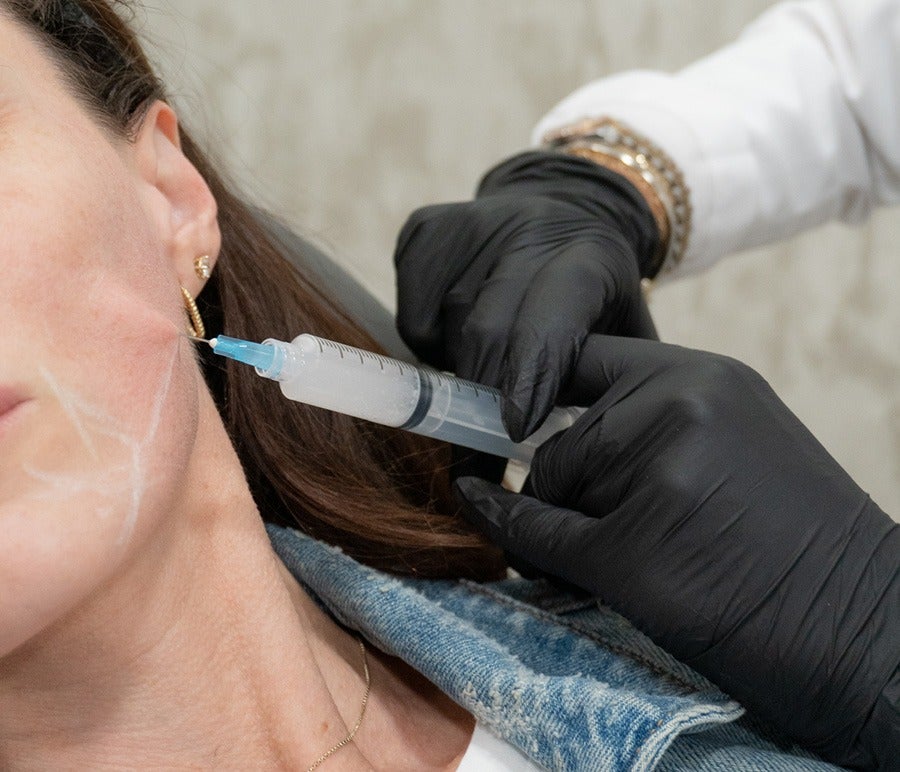
Injectables and fillers are fantastic non-surgical aesthetic treatments that can make a huge difference in your appearance. This blog discusses the differences between fillers and neuromodulators, how each is priced by practitioners, and how much of each product is typically used for popular treatments. With this information, patients can estimate how much they might pay. Determining the Cost of Injectables and Fillers Minimally invasive treatments such as injectable fillers and neuromodulators are among the most popular cosmetic enhancements today as they effectively smooth wrinkles. With so many applications, formulas, and possibilities, injectable treatments offer beautiful results that are tailored to the patient, buildable over time rather than permanent, and require no recovery or scars. The term “injectables” is broadly used to describe aesthetic injections, such as dermal fillers and neuromodulators. Fillers are a group of injectable products that increase volume in the lips, cheeks, chin, and other facial areas. Neuromodulators, sometimes called wrinkle relaxers or neurotoxins, are injections that reduce the appearance of dynamic wrinkles or wrinkles that are caused by facial movement. Each type of injectable has different brands and formulations that yield different results and require different amounts of product. As you can see, there are a lot of variables to consider when choosing which injectable treatment is right for you, as well as determining total cost. Broadly speaking, the average cost for dermal filler injections is about $500–$1,500 per syringe, while BOTOX® Cosmetic is usually priced per unit or session, at around $100–$500. How Many Syringes Do I Need for Dermal Filler Treatment? To determine how much you expect to pay for dermal fillers, estimate how many syringes you might need for your procedure. Bear in mind, each filler type (hyaluronic acid vs. biostimulatory, for example) is priced differently, as is each brand. The following prices are estimates, and the final cost of fillers and BOTOX® Cosmetic varies widely from practice to practice. While every patient should have a customized injectable plan, certain procedures or treatment areas have general guidelines: Lip augmentation with dermal fillers usually requires 1 syringe of product for a moderate, noticeable augmentation, while some patients seeking a more dramatic result may opt for 2 syringes. Potential cost: $500–$3,000. Cheek augmentation with dermal fillers like RADIESSE® typically requires 1 to 3 syringes per cheek, or 2 to 6 syringes total. This depends on the look you want, the degree of facial sagging, and the type of filler used. Cheek filler is generally made of a gel formula that’s thicker than lip filler, as it serves a more structural purpose, so it usually comes at a higher price point per syringe. Potential cost: $1,000–$9,000. Marionette lines and nasolabial folds can also be treated with dermal fillers such as Sculptra®. In this case, the goal is to smooth these deep creases while maintaining a natural animation when talking, smiling, and eating. Nasolabial folds—the lines from the nose to the mouth that are also called smile lines—can usually be treated with 1 to 2 syringes, as can marionette lines. Potential cost for each: $500–$3,000. Jaw and chin augmentation is another popular use of dermal fillers, particularly the JUVÉDERM® family, which can add volume in key areas to balance the face. Similar to cheek augmentation, jaw and chin filler requires a formula that’s thicker and more buildable than lip filler. Usually, chin filler requires 1 to 2 syringes, while jawline contouring requires between 2 and 4; often, the chin and jaw are treated together. Potential cost: $1,500–$9,000, but varies. How Much Will BOTOX® Cosmetic Cost? Neuromodulators like BOTOX® Cosmetic and Dysport® are priced differently from fillers, which are priced by syringe. The active ingredient in these injectable treatments is a toxin that inhibits the underlying muscles in the treatment area, reducing dynamic contractions that cause deep wrinkles around the eyes, forehead, and eyebrows. Thus, neuromodulators are priced by the potency of the active ingredient that the practitioner uses, called the unit. BOTOX® Cosmetic is about $10–$25 per unit, while Dysport® is about $4–$8 per unit. Dysport® usually requires about twice as many units to achieve the same results as BOTOX® Cosmetic, so prices are comparable. The number of units you might require depends on the severity of your concerns, the size of your treatment area, and your desired results. Most practitioners will start new patients at a lower dose and then reassess the results and treatment plan later. Estimates for the price of neuromodulators per treatment area: Crow’s feet, or the wrinkles that form on the outer corners of the eyes, can usually be treated with 5 to 15 units per side, or 10 to 30 units total. Potential cost: $100–$750. Glabellar lines (11’s between the brows) vary depending on the severity and depth of the creases, but on average are treated with 20 to 25 units. Potential cost: $200–$625. Forehead lines, or the horizontal creases that form when you lift your eyebrows, are typically treated with 10 to 30 units. Potential cost: $100–$750. Want to Learn More About Injectable and Filler Pricing in Miami, FL? Schedule a consultation with the expert injectors at 4Beauty Medspa to learn how much your BOTOX® Cosmetic or filler injections might cost. Call today at (786) 496-9444 or fill out the contact form to schedule a consultation with one of our experienced injectors, who will create a customized treatment plan to help you reach your goals.

How Long Is a Medical Weight Loss Program?

How Long Is a Medical Weight Loss Program?

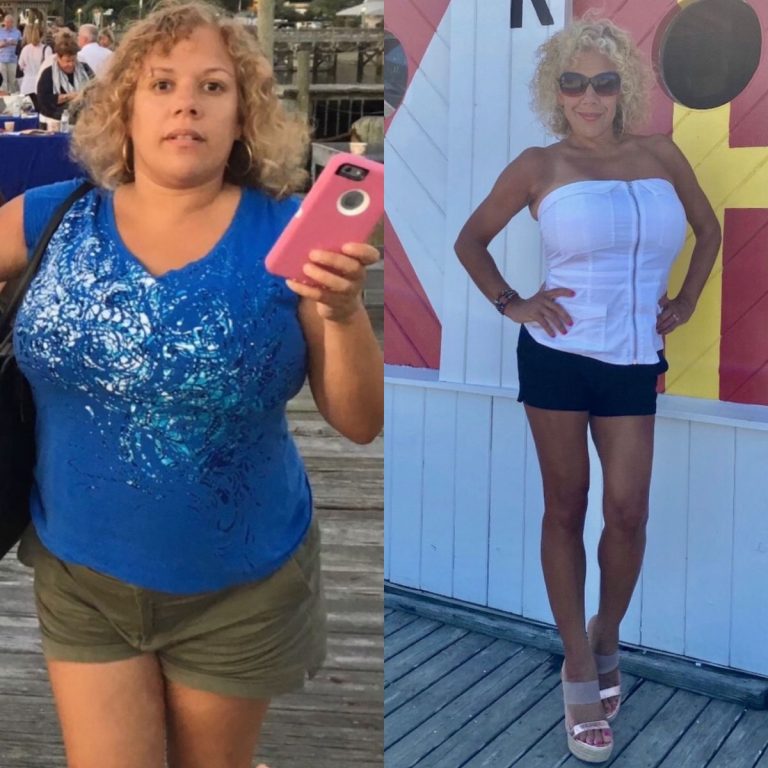
Weight Loss Weight loss programs are incredibly successful at helping patients jumpstart weight loss—but do the results last? This blog discusses how long patients might need to be in a weight loss program, when they can expect to see the final outcome, and how to maintain results. How Can a Medical Weight Loss Program Help Me? Weight loss is a complex process for people, and sometimes, we need a little help. If you’ve hit a plateau in your weight loss or have other conditions, such as hormone imbalances, a slowed metabolism, or stubborn fat, a tailored medical weight loss program can help. Rather than remaining stuck in the same routine, a medical weight loss program can offer deeper insights into your unique needs and a better structure tailored exactly to your lifestyle. At 4Beauty Medspa in Miami, our team uses science-backed approaches based on your unique physical composition and weight loss goals, through a multi-step process, which may include: An initial consultation and metabolic evaluation, which assesses your weight history, lifestyle, and health markers to create a plan that works for you. Weekly check-ins to track your progress, adjust your plan, and keep you motivated. Supplement or prescription support for select patients can include GLP-1 recommendations to enhance fat burning and reduce cravings, giving you the push you need. Our program is ideal for patients wanting to lose 10–15 pounds, have a BMI higher than 30, have weight-related comorbidities, such as pre-diabetes, are having trouble progressing, and are looking to target stubborn areas, like belly fat or visceral fat. How Long Will the Medical Program Take? This depends on your needs and goals. Each patient is different, and our programs are designed to build long-term lifestyle and weight loss habits to support a lifetime of health. Generally, patients are started on a 12-week program for initial weight loss, with most undergoing this initial, medically supervised phase for 3 to 6 months. However, long-term treatments, such as a 52-week program, have shown more consistent results. Keep in mind that longer-duration weight loss programs are intended for individuals who are about 25 pounds or more above their goal weight. For patients looking to maintain their current weight rather than lose a significant amount, 4Beauty Medspa offers microdosing weight loss options. When Can I See My Weight Loss Results After Undergoing a Medical Weight Loss Program? There are many stages to your results beyond just looking thinner. Here is a general timeline for weight loss results through our program: Weeks 1–2: Early improvements, such as reduced bloating, improved energy, and some slight changes in measurements, occur. Weeks 3–4: Changes to your body shape might be noticeable to yourself and others. Weeks 6 and beyond: Typically, more significant, noticeable changes are visible. The key is always consistency. Your medical provider will ensure that your program is manageable yet challenging enough to deliver measurable results without overwhelming you or leaving you discouraged. It’s best to start slowly and carefully build on your progress for healthy, sustained weight loss results. Are the Results of a Medical Weight Loss Program Permanent? It’s always possible to gain the weight back, so there’s no guarantee that your results will be permanent. However, our weight loss program is designed to support your long-term wellness through lifestyle changes, habit formation, and internal balance. For example, if you have hormonal imbalances or underlying nutrient and vitamin deficiencies, our program is designed to help restore internal balance and support sustainable weight loss. This type of medical support is often essential, as disruptions within the body’s internal systems—rather than just external factors—are frequently at the root of weight challenges. If you continue to follow your custom healthy living guides, long-term weight loss is certainly possible. Eating right, working out, and caring for your health are all skills we will help you develop during the program.

Am I a Good Candidate for a Medical Weight Loss Program?

Am I a Good Candidate for a Medical Weight Loss Program?

Weight Loss Medical weight loss programs are designed to help patients succeed safely and keep the weight off. This blog discusses what patients can expect from a medical weight loss plan, who is a candidate for this program, and which health conditions benefit most from it. Who Can Benefit From a Medical Weight Loss Program? Weight loss can be tricky, and aging, hormone fluctuations, and health issues complicate the matter. If you’ve been trying to lose weight with little success, it’s likely not due to lack of trying; you just need individualized support with a medical weight loss program. Under the care of a physician, weight loss can be more accessible, with customized plans that reflect your individual needs and goals. If you’re ready to start losing weight and keeping it off, you might be a candidate for a medical weight loss program. Ideal candidates include: Adults wanting to lose 15–50 pounds Those with a BMI greater than 30 Those with a BMI greater than 27 with at least one weight-related comorbidity, like pre-diabetes People who have hit a weight loss plateau Those seeking to reduce stubborn or visceral fat Patients with metabolic concerns, such as PCOS, pre-diabetes, or thyroid issues As you can see, there are plenty of reasons to undergo medical weight loss programs. If you’re healthy and interested in losing weight, you might be a candidate. What Does a Medical Weight Loss Plan Look Like? An important note here is that, by nature, all weight loss plans in a medical weight loss program are tailored to the patient’s needs, goals, and medical requirements. These plans take a multi-pronged approach, incorporating medical insight, nutritional recommendations, healthy habit formation, and, in some cases, weight loss supplements or medications. The first step in any medical weight loss program is a consultation with the physician. During this initial consultation, your doctor will take an in-depth look at your weight history, lifestyle, and health markers to assess where you need more support on your weight loss journey. This is key in setting the stage for a personalized, effective program. Once you have your plan in place, regular check-ins help ensure consistent progress and opportunities to adjust your plan as needed. How Many Pounds Can I Expect to Lose Undergoing a Weight Loss Program? Medical weight loss programs are successful because they prioritize gradual, healthy, and sustainable weight loss. If you’ve ever experienced the disappointment and frustration of regaining weight after a crash diet, then you know that that is not a sustainable option. Most people in a structured, balanced weight loss program can expect to lose about one to three pounds per week, but results depend on several factors, including starting weight, metabolism, age, sex, and adherence to the program. This rate may fluctuate a bit, especially during the initial weight loss phase, which can occur more rapidly. What Kind of Health Issues Can Benefit From a Medical Weight Loss Program? Getting your weight to a healthy level through weight loss does more than boost confidence; the benefits are well-documented. Maintaining a healthy weight can lead to reduced chronic inflammation, lower blood pressure, improved insulin sensitivity, and more. Other benefits of weight loss include: Improved cardiovascular health Reduced chronic disease risk Reduced inflammation Enhanced mobility and joint health Better sleep and energy Improved metabolic function Improved mental health For patients with pre-existing health conditions, weight loss can greatly improve symptoms and reduce the risk of progression. The following health conditions particularly benefit from medical weight loss: Metabolic diseases, such as type 2 diabetes and insulin resistance, can be improved or even reversed through successful weight loss. By reducing excessive visceral fat, inflammation is reduced and insulin sensitivity is improved. Cardiovascular issues, such as high blood pressure (hypertension) and high cholesterol, are often treated through weight loss. Sleep apnea can also be improved with weight loss, as reduced airway pressure improves breathing and decreases sleep disruptions. Hormone issues like PCOS are also improved with weight loss, as it reduces insulin resistance, lowers testosterone levels, and restores hormonal balance. Weight loss programs are also a great precursor to surgery, as weight loss reduces the risk of infections, blood clots, and poor healing. Is a Medical Weight Loss Program in Miami, FL, Right for You? If you’re tired of unsuccessful weight loss attempts or you want to get your health and weight on track for good, it might be a good time to consider a medical weight loss program. The expert physicians at 4Beauty Medspa in Miami, FL, are ready to help you design a plan that actually works for you, not against you. Call our office today at (786) 496-9444 or complete the contact form to schedule a consultation and be on your way to a healthier, happier you.

Hate Your Hip Dips? Here Are Your Options

Hate Your Hip Dips? Here Are Your Options

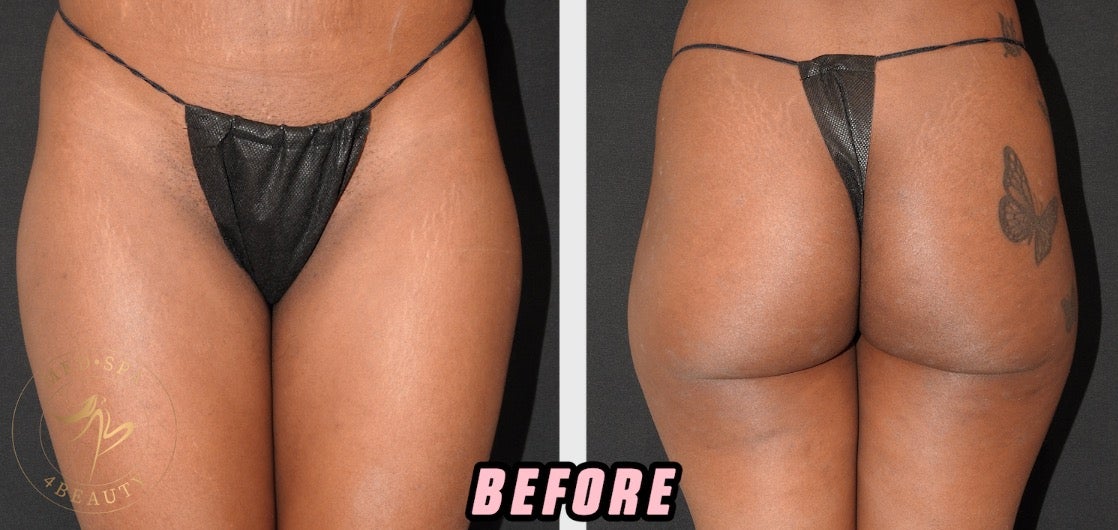
Hip Dip This blog discusses hip dips: What they are, what causes them, and what to do about them. We also discuss the benefits of Sculptra® injections vs. fat transfer as possible solutions for hip dips. What Are Hip Dips? As recent body trends favor a rounded, hourglass shape to the hips, more women are growing frustrated with their “hip dips.” These natural indentations where the hip meets the thigh are sometimes called violin hips or hip divots. Rather than a smooth hourglass shape, hip dips create a second divot on each hip, breaking the illusion of a rounded bottom. What Causes Hip Dips? Hip dips are directly related to bone structure, namely, the way the ilium bone and the femur meet in the pelvis. The greater the distance between the structures in your thighs and hips, the more pronounced hip dips are. Hip dips can be more pronounced in people with wider hip bones, and while men can have them too, we primarily see them in women due to their wider hips. It should be noted that hip dips are entirely normal and have no bearing on the function of the hips and legs. However, many women consider them a frustrating extra curve in their silhouette and would prefer a more curvaceous, rounded figure. Can You Fix Hip Dips? There’s nothing to “fix” with hip dips, but if you don’t like them, there are options for balancing out the divots. While no amount of exercise can affect the appearance of these gaps, as they are natural and perfectly normal, you have both surgical and non-surgical options. Sculptra® Injections for Hip Dips Unlike hyaluronic acid dermal fillers, Sculptra® is a longer-lasting injectable treatment used to restore volume using poly-L-lactic acid (PLLA), a biodegradable and biocompatible material. Instead of adding instant volume like other dermal fillers, Sculptra® prompts the body’s natural collagen production, building up plumpness and a natural shape over time. The benefits of Sculptra® include: More natural volume increase than alternatives Very minimal downtime and recovery Long-lasting and natural-looking result No need for general anesthesia and minimal pain Sculptra® injections for hip dips are a quick and easy procedure. In as little as a 15-minute session, you can begin building the perfect curvy hip shape! During your Sculptra® session, your licensed aesthetician or provider will apply a topical numbing agent to the treatment area around your hips. Next, they will carefully inject Sculptra®. Over the next few months, you will need to return to add more Sculptra® to your hips, depending on your response to treatment. Are There Other Options for Treating Hip Dips? Yes, there are other options for treating hip dips, although these methods are more invasive. One option is to undergo a fat grafting procedure to transfer fat from one area of the body into the gaps in your hip dips, effectively reshaping the area and balancing the curves. Fat grafting is a multi-step process that may be beneficial to certain patients. First, the fat must be harvested from a donor area of the body; most patients choose the abdomen or thighs—anywhere you have excess fat you’d prefer to slim down. Next, the fat is purified in a specialized process and then carefully reinjected by a plastic surgeon. This is the same process as what happens during a Brazilian Butt Lift, and the fat transfer provides a more permanent solution. What Are the Pros and Cons of Sculptra®? Choosing Sculptra® injections for your hip dips might be the best option for you. Sculptra® Pros: Little downtime and recovery No anesthesia or sutures No scars Long-lasting for injectables (2–3 years) Builds natural collagen Sculptra® Cons: May require multiple sessions for the desired fullness Not permanent Results take time to appear If you want a low-risk, natural-looking option for filling in your hip dips, Sculptra® injections might be for you. Interested in Sculptra® Injections in Miami, FL? 4Beauty Medspa offers modern solutions for a variety of concerns, including hip dips. Our experienced and knowledgeable staff is ready to help you achieve your perfectly rounded hip goals with minimally invasive Sculptra® injections. To learn more about this treatment and to schedule a consultation, call 4Beauty Medspa at (786) 496-9444 or complete the contact form.

What Kind of Treatment Is Involved in a Medical Weight Loss Program?

What Kind of Treatment Is Involved in a Medical Weight Loss Program?

Weight Loss This blog discusses a possible treatment plan for a medical weight loss program, including the frequency of physician visits, and underscores the non-surgical nature of these programs. Medical Weight Loss at 4Beauty Medspa in Miami If you want to jump-start your weight loss journey, haven’t had luck with diets and exercise in the past, have reached a weight loss plateau, or are looking to maintain your weight loss results, a medical weight loss program can help. Designed with your needs in mind by a licensed physician, medical weight loss programs provide comprehensive care for real results. Our medical weight loss program involves the following steps: Labs & blood work: Testing helps us understand your unique genetic makeup and health history to ensure you receive the best possible care. Customized program: Our physicians work with you to create a tailored plan, from diet and nutrition to exercise routines, to get you on the right track. Weight loss injections: When indicated, weight-loss injections using the natural peptide glucagon-like peptide-1 (GLP-1) help patients feel full faster and reduce caloric intake more easily. Regular check-ins: Once your plan is in place, we will meet regularly to check your progress and adjust your routine as needed. What Are the Benefits of a Weight Loss Program? Many people struggle with losing weight on their own, but it’s not for lack of trying. The problem with weight loss is that it’s unique to each individual, and it’s important to figure out what works for you. But if you’re not a trained professional, it can be hard to discover what the ideal combination of nutrition, supplements, and exercise will be beneficial. By working with your weight loss physician, you can enjoy the following benefits of a weight loss program: Sustained weight loss: No fads or crash diets here. Long-term lifestyle habits are emphasized for steady progress. Medical supervision: The program is personalized to meet your specific health and anatomic needs, using a science-based approach under the supervision of expert physicians. Lean muscle support: Preserving muscle mass is key to overall health, longevity, and quality of life. Our program supports healthy weight loss while maintaining muscle mass. Boosted energy and mood: Caring for your body leads to improved energy levels, better sleep, and greater mental clarity. Metabolic optimization: No more guessing. Our plans are tailored to your unique metabolic rate for safer and more efficient fat burning. Does a Medical Weight Loss Program Involve Any Surgery? No, a medical weight loss program is designed to offer a non-surgical approach to weight loss. This means no anesthesia, no scars, and increased safety. If you want a safe, natural way to lose weight, a weight loss program is ideal. Weight loss programs are a guided approach to weight loss under the care of experienced practitioners who can help you through the process. How Often Will I Need to Visit My Physician During a Medical Weight Loss Program? This depends on your needs and where you are in your programming. For example, in the initial phase of the program, you’ll need to see us more often, usually weekly or monthly, so we can establish a baseline, create a plan, and monitor for side effects of any supplements. As you progress and a routine has been established, you’ll likely only need to come in every three months or so, especially if you’re looking to maintain your results. In this case, you can follow our “microdose” sessions, which are designed to help you maintain your weight-loss results.